

How to Market Stone & Quartz Surfaces Online in 2026
The stone and engineered surface industry is evolving rapidly. In 2026, buyers are no longer relying only on physical visits or catalogues to select materials. Instead, they are discovering and evaluating products online through websites, social media, and digital platforms.
For stone manufacturers, quartz brands, and surface exporters, this shift creates a major opportunity — but also a challenge. Simply having high-quality materials is no longer enough. You need a strong digital marketing strategy for stone and quartz products to stand out in a competitive global market.
In this blog, we will explore how surface brands can effectively market stone and quartz products online in 2026 and generate real business growth.
Why Online Marketing is Important for Surface Brands
Today’s buyers — including architects, interior designers, and distributors — start their search online. Whether they are exploring new materials or comparing suppliers, your online presence acts as your first impression.
Without strong digital marketing, even premium materials can go unnoticed.
Effective online marketing helps you:
- Reach global buyers
- Showcase your collections professionally
- Build trust through consistent branding
- Generate inquiries and leads
This makes digital marketing for surface brands a critical part of business success in 2026.
1. Build a High-Quality Website
Your website is your digital showroom. It should clearly present your materials, services, and brand identity.
To market stone and quartz products effectively, your website must include:
- High-quality slab photography
- 3D interior visualisations
- Product categories and collections
- Easy navigation and contact options
A well-designed website improves user experience and increases the chances of converting visitors into clients.
2. Use 3D Visualization for Better Product Presentation
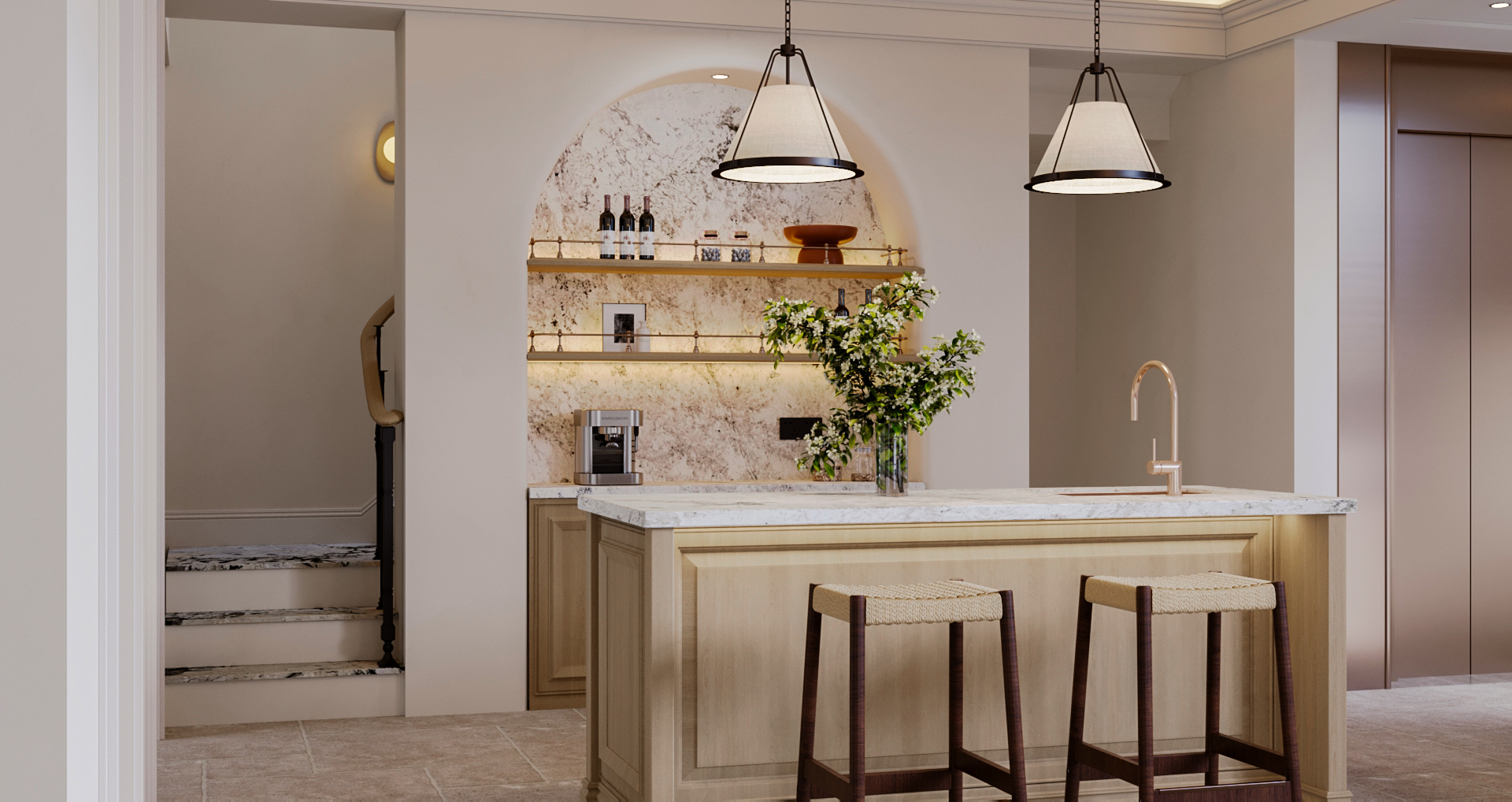
One of the most powerful tools in 2026 is 3D visualization for stone and quartz surfaces.
Instead of showing only slabs, you can present your materials in:
- Kitchen interiors
- Bathroom spaces
- Living room feature walls
- Commercial environments
This helps buyers understand how the surface will look in real applications, making decision-making easier.
Brands that use 3D rendering for surface marketing have a clear advantage over those relying only on traditional images.
3. Invest in Professional Photography
High-quality visuals are the foundation of online marketing. Poor images can reduce trust and make even premium materials look average.
Professional stone slab photography ensures:
- Accurate color representation
- Clear texture and vein visibility
- Consistent product presentation
These visuals can be used across your website, social media, and catalogues, creating a strong and professional brand image.
4. Leverage Social Media Platforms
Social media platforms like Instagram, LinkedIn, and Facebook are essential for promoting stone and quartz products.
A strong social media strategy for surface brands should include:
- Regular posting of slab visuals
- Interior application images
- Product launches and new collections
- Behind-the-scenes factory content
- Reels showing transformations (slab → interior)
Social media helps you stay visible, engage with your audience, and build brand recognition over time.
5. Create Valuable Content
Content marketing is a powerful way to attract and educate potential clients.
Surface brands can create content such as:
- Blog articles about materials and applications
- Guides for architects and designers
- Product comparison posts
- Design inspiration content
For example:
- “Best Quartz Surfaces for Modern Kitchens”
- “How to Choose the Right Marble for Interiors”
This type of content helps your website rank on Google and positions your brand as an expert in the industry.
6. Optimize for SEO (Search Engine Optimization)
SEO is essential for getting organic traffic to your website.
To rank on Google, surface brands should target keywords like:
- stone slab suppliers
- quartz surface manufacturers
- stone visualization services
- marble slab photography
- 3D rendering for stone industry
Use these keywords in:
- Page titles
- Headings
- Meta descriptions
- Blog content
Even low-volume keywords can bring high-quality leads because they are highly specific.
7. Use Digital Catalogues & Brochures
In 2026, traditional catalogues are being replaced by digital brochures and presentations.
A well-designed digital catalogue allows you to:
- Share collections easily
- Present materials professionally
- Reach international clients quickly
Combining graphic design with high-quality visuals ensures your catalogue stands out.
8. Showcase Real Applications
Buyers want to see how materials look in real spaces.
Use:
- Installed project photos
- 3D interior renders
- Before vs after visuals
This builds trust and helps customers visualize the final result.
9. Run Targeted Digital Campaigns
Paid advertising can help surface brands reach the right audience faster.
Platforms like:
- Google Ads
- Instagram Ads
- LinkedIn Ads
Allow you to target:
- Architects
- Interior designers
- Builders
- Importers
This ensures your marketing efforts reach potential buyers directly.
10. Maintain Consistency Across Platforms
Consistency is key in digital marketing.
Your:
- Website
- Social media
- Catalogues
Should all have a similar visual style and branding.
This creates a strong and recognizable brand identity.
The Future of Surface Marketing
In 2026 and beyond, the surface industry will continue to move towards visual-first marketing.
Brands that invest in:
- 3D visualization
- Professional photography
- Social media content
- SEO strategies
Will have a clear advantage in attracting global clients.
Conclusion
Marketing stone and quartz products online requires a combination of visual quality, digital strategy, and consistent branding.
By building a strong online presence, using professional visuals, and leveraging modern marketing tools, surface brands can significantly improve their reach and sales performance.
In a competitive market, it’s not just about having great materials — it’s about how effectively you present them.